

What is NAC and Which NAC Supplements Should I Use?
A Review of N-Acetyl Cysteine Supplements
Introduction
Are you curious about the benefits of N-Acetyl Cysteine (NAC) supplements and wondering which NAC supplement is best for your health journey? You're not alone!
As health enthusiasts, many of us are constantly searching for effective ways to enhance our well-being, and NAC has gained significant attention for its powerful antioxidant properties and potential health benefits.
In this blog post, we'll explore the various NAC supplements available on the market, highlight their unique features, and help you determine which option might be the perfect fit for your lifestyle.
Whether you're looking to support your respiratory health, boost your immune system, or enhance your detoxification processes, we've got you covered.
Let's dive into the world of NAC supplements and find the best choice for you!
Overview of N-Acetylcysteine (NAC) – Origins, Biochemistry, Uses, and Benefits
N-Acetylcysteine (NAC) is a synthetic derivative of the amino acid L-cysteine, renowned for its role as a medication and supplement.
Clinically, NAC is best known as a mucus-clearing agent and an antidote for acetaminophen (paracetamol) overdose, while in integrative medicine it’s valued for its antioxidant and detoxification support.
Below is a detailed overview of NAC’s origin, natural precursors, biochemical role, metabolic functions, physiological impacts on key organ systems, conventional pharmaceutical uses, and applications in naturopathic practice.
[medxdrg.com], [scienceinsights.org], [nmi.health]
1. Origin and Synthesis of NAC
Synthetic Development: NAC was first created by pharmacists in the early 1960s as a solution to a stability problem with the natural amino acid cysteine.
Cysteine in pure form oxidizes easily (turning into insoluble cystine), making it impractical for therapeutic use.
By adding an acetyl group to cysteine’s nitrogen (producing N-acetylcysteine), chemists produced a more stable, water-soluble molecule that could be used as a drug.
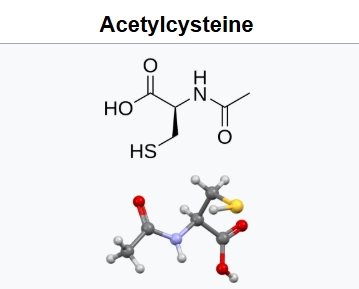
Unlike vitamins or plant extracts, NAC does not come directly from any herb or natural ingredient – it is entirely synthesized in laboratories via chemical acylation of L-cysteine.
(For example, one industrial process reacts cysteine with acetic anhydride to attach the acetyl group, then purifies the product into pharmaceutically pure NAC.)
Historical Milestones: The compound’s medicinal potential was quickly recognized. In 1963 NAC was patented as a mucolytic agent – a drug to thin mucus – by Mead Johnson & Company.
By the 1970s, researchers discovered NAC could also prevent liver damage in acetaminophen poisoning, vastly expanding its importance in emergency medicine.
NAC has since become a standard tool in hospitals and is even listed on the World Health Organization’s Essential Medicines for its life-saving role in overdose treatment.
Over the decades, the synthesis of NAC has been optimized, but it remains a lab-derived “pharmaceutically engineered” molecule built on a natural amino acid backbone. [medxdrg.com] [en.wikipedia.org]
2. Natural Sources and Precursors of NAC
NAC in Nature: Despite misconceptions, NAC itself is not a compound one can obtain by eating specific foods or plants.
Early literature mistakenly suggested that allium vegetables like garlic and onion contained NAC, but this has been debunked – rigorous analysis shows no significant NAC in those or other foods.
The true source of NAC is industrial production, not direct extraction from any natural organism.
[scienceinsights.org] [medxdrg.com]
Dietary Precursors: While NAC isn’t present in foods, its precursor L-cysteine is a naturally occurring amino acid abundant in high-protein foods.
Our bodies normally derive cysteine from protein digestion.
Food sources rich in cysteine (or its dimer form, cystine) include meats such as pork, beef, chicken, and fish, as well as plant-based foods like legumes (lentils), oatmeal, eggs, dairy (yogurt, cheese), and seeds (e.g. sunflower seeds).
These foods supply cysteine, which the body can use to synthesize glutathione and other important compounds.
In essence, a balanced protein-rich diet provides the building blocks (cysteine) that NAC supplementation offers in a concentrated form.
But one cannot eat NAC directly – supplementation or prescription formulations are needed to get NAC itself. [myfooddata.com]
Environmental Sources: Outside the body, NAC does not occur in the environment at meaningful levels.
It is sometimes added to certain formulations (for example, as a nutritional supplement or a lab reagent), but you won’t find NAC naturally in herbs or spring water.
Instead, nature provides cysteine, and NAC is a human-devised delivery form of this amino acid to achieve specific therapeutic effects.
3. Biochemistry of NAC: Antioxidant Precursor and Mechanisms
Chemically, N-acetylcysteine differs from L-cysteine by the presence of an acetyl group (CH3CO–) attached to the amino nitrogen.
This small change has big implications: it makes NAC more stable and soluble, and when NAC enters the body, that acetyl group can be removed to release active cysteine where needed.
Two key biochemical roles of NAC are: [medxdrg.com]
- Glutathione Precursor: NAC is famously the precursor to glutathione (GSH), the “master antioxidant” tripeptide that protects cells from oxidative damage.
- Of the three amino acids in glutathione (glutamate, glycine, and cysteine), cysteine is typically the limiting factor – cells often have plenty of the others but not enough cysteine to make optimal GSH levels.
- NAC relieves this bottleneck. Once NAC is converted to cysteine inside cells, it drives up glutathione synthesis, thereby boosting the cell’s antioxidant capacity.
- Most of NAC’s antioxidant benefits come indirectly via elevated glutathione: GSH works in enzymatic pathways (like glutathione peroxidases and transferases) that neutralize free radicals and detoxify chemicals thousands of times more efficiently than NAC alone.
- Think of NAC as fuel for the body’s antioxidant engine (glutathione system). [nmi.health], [scienceinsights.org]
- Direct Antioxidant Activity: NAC itself also has a free sulfhydryl (-SH) group, which can directly interact with certain reactive oxygen species and oxidants.
- This means NAC can scavenge free radicals and reduce disulfide bonds on its own, providing a mild direct antioxidant effect.
- However, this effect is relatively modest; NAC’s thiol can neutralize some oxidants (for example, it can reduce oxidants like hydrogen peroxide or hypochlorous acid in lab settings), but in vivo its direct action is quickly overtaken by its glutathione-boosting action.
- In fact, studies show that the majority of NAC’s protective effects are due to replenishment of intracellular glutathione rather than direct radical scavenging.
- [nmi.health] [scienceinsights.org]
Other Biochemical Effects: By virtue of raising glutathione and having a reducing thiol, NAC influences several biochemical pathways:
- It helps maintain a reducing (antioxidative) environment inside cells, which can modulate signaling cascades.
- For instance, NAC’s presence can inhibit activation of NF-κB, a pro-inflammatory transcription factor, by keeping the cellular milieu more reduced (thus dampening inflammatory cytokine production).
- [nmi.health]
- NAC can bind and neutralize certain toxins. In the liver, NAC (and the glutathione it generates) conjugates with toxic metabolites (like NAPQI from Tylenol) and heavy metals to form mercaptides, facilitating their safe excretion.
- This contributes to NAC’s broad detoxification capacity. [nmi.health]
- In extracellular spaces (like mucus secretions or biofilms), NAC’s thiol can disrupt disulfide bonds in proteins and polymers.
- This not only thins mucus (as discussed below) but can also prevent bacteria from forming protective biofilms.
- Interestingly, NAC even shows mild antibacterial properties in lab studies, possibly due to this disruption of bacterial biofilms and direct effects on bacterial growth. [nmi.health]
In summary, biochemically NAC serves as a critical support molecule: it fortifies the body’s antioxidant defenses (mainly via glutathione), while also exerting reducing/cleaving actions that underlie many of its therapeutic effects.
4. Role in Human Metabolism and Cellular Processes
Once consumed, NAC is efficiently absorbed through the gut and taken up by the liver.
During the first pass through the liver, a large portion of NAC is de-acetylated to yield free L-cysteine.
The liver acts as a distribution hub: it uses some of this cysteine internally and also releases cysteine and glutathione into the bloodstream to supply other tissues.
Here’s how NAC engages in metabolic processes: [scienceinsights.org]
- Glutathione Production: The liver promptly incorporates cysteine from NAC into glutathione.
- This newly made glutathione is crucial for hepatic metabolism – the liver uses it to conjugate toxins and manage oxidative byproducts of metabolism.
- The excess glutathione and cysteine are exported to systemic circulation, raising antioxidant capacity in blood and distant organs as well.
- For example, immune cells, kidneys, lungs, and other tissues can take up cysteine or GSH from the blood to boost their own antioxidant defenses.
- In essence, NAC supplementation can restore or maintain glutathione pools throughout the body, which is particularly valuable under conditions of oxidative stress or toxin exposure. [scienceinsights.org]
- Detoxification Pathways: Many metabolic detox pathways (Phase II conjugation reactions in the liver) depend on having adequate thiols.
- By increasing hepatic cysteine and glutathione, NAC enhances detoxification of a variety of substances.
- The classic example is acetaminophen’s toxic metabolite NAPQI, which is neutralized by glutathione conjugation.
- Similarly, glutathione conjugates help eliminate solvents, pesticides, and heavy metals like lead and mercury; NAC supplementation can support these processes by making sure glutathione isn’t depleted.
- NAC itself can also serve as an alternate substrate for conjugation – if a toxic metabolite has consumed all available glutathione, NAC can sometimes bind to the reactive toxin (via its -SH group) and thereby spare cells from damage.
- This is why NAC is considered a broad “antidote” for conditions of cysteine or glutathione deficiency in cells. [medxdrg.com] [nmi.health]
- Metabolic Versatility: Cysteine from NAC can enter various metabolic routes. Beyond glutathione, cysteine is used in synthesizing proteins, coenzymes (like Coenzyme A), and other biomolecules (e.g., taurine).
- NAC thus can indirectly contribute to replenishing protein thiols and sulfur-containing compounds throughout the body.
- There is also evidence NAC influences nitric oxide signaling (by promoting formation of S-nitrosothiols), which can affect blood vessel dilation and blood flow, although this is a more minor pathway compared to its antioxidant role.
- Bioavailability and Cellular Uptake: It’s worth noting that oral NAC has relatively low bioavailability (~6–10%), meaning a lot is metabolized in the gut wall and liver before reaching the bloodstream.
- However, this “first-pass” metabolism is not wasted – it’s precisely converting NAC into active cysteine and glutathione in the liver where they’re immediately useful.
- Cells beyond the liver largely take up cysteine (or cystine) rather than NAC itself.
- In fact, NAC is deacetylated by enzymes like acylase I in tissues such as the kidney.
- Some studies suggest a portion of NAC can circulate intact and might cross cell membranes or even the blood-brain barrier, but the primary benefit comes after it’s transformed into cysteine and related metabolites.
- Consequently, NAC’s impact on cellular processes is chiefly through enhancing cysteine availability, which then influences everything from enzymatic antioxidant functions and mitochondrial energy metabolism (glutathione is vital in mitochondria) to gene expression patterns that are sensitive to the cell’s redox state. [scienceinsights.org] [nmi.health]
In summary, NAC plug into human metabolism as a cysteine donor, propping up the body’s own protective and regulatory mechanisms.
By doing so, it supports the normal functioning of organs under stress and helps maintain metabolic balance, especially in detoxification and antioxidative defense.
5. Physiological Effects on Key Organ Systems
NAC’s biochemical actions translate into tangible effects on various organs.
We will highlight its impact on the liver, lungs, and brain – three systems where NAC’s influence is well documented – while noting other systems where applicable.
Liver (Hepatic System)
Detoxification and Protection: The liver benefits enormously from NAC because of its central role in detoxifying blood.
NAC raises hepatic glutathione levels, which protects liver cells (hepatocytes) from oxidative damage and toxin-induced injury.
In extreme cases like acetaminophen overdose, toxic metabolites rapidly deplete glutathione and start killing liver cells.
NAC, given in time, floods the liver with cysteine to replenish glutathione, allowing the liver to neutralize those metabolites and prevent cell death.
Clinically, this can be the difference between full recovery and acute liver failure – NAC is nearly 100% effective at averting serious liver damage if administered within ~8 hours of an acetaminophen overdose.
Even outside of emergencies, keeping glutathione stores “topped up” with NAC may help the liver handle its daily workload of pollutants, alcohol, and metabolic waste.
Some healthcare providers recommend NAC supplements for general liver support, especially in cases of chronic toxin exposure or fatty liver disease, on the logic that better glutathione status eases liver stress.
[medxdrg.com], [scienceinsights.org]
Anti-Inflammatory Effects: Liver ailments often involve inflammation (hepatitis, NASH, etc.).
NAC’s antioxidant action can indirectly reduce inflammatory signaling in the liver.
By curbing oxidative stress, NAC limits activation of Kupffer cells and stellate cells that drive inflammation and fibrogenesis.
There is preliminary evidence (from animal models and small trials) that NAC may help reduce liver enzyme levels and improve liver function in conditions like non-alcoholic fatty liver disease or liver fibrosis, though more research is needed for conclusive recommendations.
Nevertheless, NAC’s inclusion in many hospital protocols for drug-induced liver injury (beyond Tylenol, e.g. for some mushroom poisonings or chemotherapy toxicity) underscores its liver-protective power, both as a glutathione precursor and as a direct scavenger of reactive substances. [nmi.health]
Lungs (Respiratory System)
Mucolytic Action: NAC’s effect on the respiratory system is pronounced and well-utilized in medicine.
It acts as a mucolytic, meaning it thins and loosens thick mucus in the airways. Chemically, NAC’s sulfhydryl group breaks the disulfide bonds that lend structure to mucin glycoproteins in mucus.
By cleaving these “sticky” bonds, NAC transforms thick, gel-like phlegm into a more liquid form that can be coughed up or drained more easily.
This is crucial for conditions with viscous secretions: for instance, cystic fibrosis, chronic bronchitis, COPD, and bronchiectasis.
In such illnesses, inhaled or oral NAC helps clear sputum, improving airway clearance and respiratory function.
NAC also appears to have a mucoregulatory effect – it not only thins mucus that’s there, but by reducing inflammation and oxidative stress in the airways, it signals the goblet cells to dial down excessive mucus production. [medxdrg.com] [nmi.health]
Clinical Benefits in Lungs: Decades of studies have shown improved lung outcomes with NAC therapy.
COPD patients taking NAC (typically 600–1,200 mg daily) experience reduced cough and sputum volume, and fewer exacerbations (flare-ups) of their disease.
In one study on bronchiectasis, a higher dose (1,200 mg/day) over 6 months led to significantly fewer lung infections and hospitalizations compared to a lower dose.
NAC is also used as an adjuvant therapy in pneumonia and lung infections – by helping clear mucus and possibly by moderating inflammatory damage (through its antioxidant effect), it can support recovery.
In asthma, NAC is not a frontline therapy, but some asthmatics with thick mucus or high oxidative stress have been noted to benefit (caution: in a small subset of asthmatics, inhaled NAC can provoke bronchospasm, so medical supervision is required).
Overall, NAC improves pulmonary function and comfort by keeping the airways clear and less inflamed, making it a valued therapy in chronic respiratory care. [scienceinsights.org]
Brain (Nervous System)
Neurotransmitter Modulation: NAC’s influence on the brain is an exciting area of emerging research.
Uniquely, NAC (or rather the cysteine it provides) can impact the glutamate system in the brain.
Glutamate is the primary excitatory neurotransmitter, and imbalances in glutamate signaling are linked to neurotoxicity and psychiatric disorders.
NAC appears to normalize glutamate levels via the cystine-glutamate antiporter system.
When NAC raises extracellular cystine (the oxidized dimer of cysteine), neurons respond by taking in cystine and releasing glutamate in a controlled way.
This released glutamate then stimulates inhibitory metabotropic glutamate receptors, which in turn reduce the further release of glutamate from neurons, “calming” an overactive glutamate system.
The net effect is like applying brakes on runaway excitatory signaling.
This mechanism has been proposed to explain why NAC shows benefits in conditions like obsessive-compulsive disorder (OCD), addictions, and other impulsivity-related disorders.
In these conditions, brain glutamate regulation is often abnormal, and NAC’s modulatory role can help restore balance.
Neuroprotective Antioxidant: The brain is highly susceptible to oxidative damage (due to high oxygen use and fatty tissue).
NAC, by replenishing glutathione, acts as a neuroprotective antioxidant.
It can reduce neuronal damage from oxidative stress in situations ranging from traumatic brain injury and stroke to neurodegenerative diseases.
For example, research in Alzheimer’s disease and Parkinson’s models suggests NAC can lower oxidative markers and potentially slow neurodegeneration when used alongside standard treatments.
It may also chelate heavy metals in the brain (like lead or mercury) and protect neural mitochondria via maintaining glutathione. [nmi.health]
Mental Health and Cognition: Clinically, NAC is not a primary psychiatric medication, but studies have explored it as an adjunct therapy in various mental health conditions:
- OCD and Addictions: Small randomized trials in OCD found that adding NAC (e.g. 2–3 g/day) to SSRIs significantly improved compulsive symptoms compared to placebo.
- Patients reported better ability to resist compulsions.
- Similarly, in substance addictions (e.g. cocaine, nicotine) NAC has shown promise in reducing craving and relapse, presumably by stabilizing glutamate circuitry involved in reward and habit behaviors. [scienceinsights.org]
- Mood Disorders: In bipolar depression and major depression, some trials (results mixed) indicate NAC might improve mood and functioning, likely due to its combined antioxidant and glutamate-modulating effects.
- Schizophrenia patients have seen modest improvements in negative symptoms or cognitive function in a few studies using NAC as an adjunct, though more data are needed. [nmi.health]
- Autism and Other Conditions: Preliminary research suggests NAC might help with irritability in autistic children and with trichotillomania (hair-pulling disorder), but these uses remain investigational.
It’s important to note that NAC crosses into the brain to a limited extent (some is converted to cysteine at the blood-brain barrier).
So its effects on the CNS are partly through peripheral changes (e.g., lowering systemic inflammation that can affect the brain, or altering plasma amino acid levels that signal to the brain).
Nonetheless, the evidence so far indicates NAC can positively influence brain chemistry and protect neural tissue, which opens a potential role for NAC in integrative approaches to neurological and psychiatric health.
(Other Organ Systems: NAC’s physiological effects aren’t limited to liver, lungs, and brain.
For instance, in the kidneys, NAC has been studied for preventing contrast-induced nephropathy (kidney damage from imaging dyes) due to its antioxidant support of renal cells – though clinical results have been inconclusive and it’s not a guaranteed preventive.
NAC’s immune effects are also notable: raising glutathione can enhance lymphocyte function and modulate inflammation, potentially benefiting immune response during infections.
Some studies even suggest NAC may improve endothelial function in the cardiovascular system by increasing nitric oxide availability and reducing oxidative stress, potentially aiding conditions like heart disease.
Additionally, NAC’s ability to disrupt biofilms is being explored to help with chronic infections (for example, chronic sinusitis or urinary tract infections where biofilms protect bacteria). These areas are active fields of research.)
6. Established Pharmacological Uses of NAC
NAC has a firm place in conventional medicine, where its roles are backed by strong evidence and regulatory approvals:
- Acetaminophen (Paracetamol) Overdose Antidote: This is the quintessential medical use of NAC.
- In cases of acetaminophen overdose – one of the most common and potentially fatal poisonings – NAC administered either intravenously or orally can prevent liver failure.
- It does so by rapidly restoring glutathione in the liver, which then detoxifies the dangerous metabolite (NAPQI) before it destroys hepatocytes.
- NAC’s effectiveness is so high (virtually eliminating serious injury if given within 8 hours post-overdose) that it is the standard of care worldwide.
- Hospitals stock NAC (IV vials or oral solutions) as an emergency antidote.
- This use has been in practice since the 1970s and remains one of the most dramatic life-saving interventions in toxicology.
- Due to its importance, acetylcysteine is listed on the WHO Essential Medicines List and is a required antidote in emergency departments.
- [medxdrg.com], [scienceinsights.org] [en.wikipedia.org]
- Mucolytic Therapy for Respiratory Conditions: NAC is widely used as a prescription mucolytic agent.
- In conditions like chronic obstructive pulmonary disease (COPD), chronic bronchitis, cystic fibrosis, and bronchiectasis, NAC helps manage symptoms by thinning bronchial mucus.
- It can be given as an inhalation solution (e.g., via nebulizer) directly into the airways or orally as a systemic treatment.
- Inhaled NAC (e.g. as a nebulized 10–20% solution) has an immediate mucus-dissolving effect in the bronchial tree.
- Meanwhile, oral NAC (typically 600 mg tablets) taken daily has been shown to reduce cough, sputum production, and flare-ups in chronic lung disease patients over time.
- Many countries have NAC approved as an over-the-counter or behind-the-counter drug for use as an expectorant to relieve chest congestion.
- For example, “acetylcysteine” sachets or effervescent tablets (600 mg) are commonly used in Europe in winter months for bronchitis relief.
- This mucolytic application was actually NAC’s first medical use (patented in 1963), and it remains a cornerstone therapy, especially valued because it addresses mucus overproduction – something few other drugs do – and is generally well tolerated.
- [scienceinsights.org]
- Other Medical Uses: A few additional uses exist:
- Renal Protection: NAC has been used (off-label) to prevent contrast-induced nephropathy during imaging procedures, due to its antioxidant protection of kidney tubules. However, evidence is mixed and guidelines conflict on its efficacy here.
- Psychiatry (Adjunctive): Some psychiatrists use NAC as an adjunct treatment for OCD, bipolar disorder, or schizophrenia, given promising trial results.
- These are off-label uses; NAC is not an FDA-approved psychiatric medication, but interest is growing due to its benign safety profile and positive research findings. [scienceinsights.org]
- Dermatology: NAC has niche uses in dermatology, for example in treating certain skin or hair-pulling disorders (like trichotillomania) and as an oral therapy for acetone poisoning or smoke inhalation injury (to replenish glutathione in lungs).
- Ophthalmology: N-acetylcysteine is an ingredient in some eye drop formulations (e.g., for dry eye or corneal mucus plaques) because of its mucolytic and antioxidant properties, though this is relatively specialized.
In summary, the most firmly established uses of NAC in pharmacology are as an antidote and as a mucolytic agent, where its efficacy is unquestioned.
These uses leverage NAC’s fundamental chemical actions – boosting glutathione and cleaving mucus bonds – to address acute medical needs.
Researchers continue to explore additional indications, but any new uses (e.g., for psychiatric or metabolic diseases) are still building evidence and not yet standard of care.
7. Naturopathic and Integrative Applications of NAC
Outside of conventional acute-care settings, NAC has become popular in naturopathy, functional medicine, and wellness circles as a versatile supplement.
Practitioners value NAC for its holistic benefits across multiple body systems. Some key applications in integrative medicine include:
- Detoxification and “Liver Cleanse”: NAC is often recommended as a daily supplement for those seeking to support liver detox.
- Naturopathic doctors highlight NAC’s ability to increase glutathione, which in turn helps the liver neutralize toxins from the environment (pollution, chemicals, heavy metals) and metabolic byproducts (like excess hormones).
- It’s a common component of “detox” supplement regimens. By protecting liver cells from oxidative stress, NAC is thought to help maintain healthy liver function and even healthy aging (since oxidative damage is a driver of aging).
- Though “detox” is a broad term, the rationale is that NAC gives the liver more of what it needs to do its natural cleansing job effectively. [therascience.com], [nmi.health]
- Antioxidant and Immune Support: As a precursor to the body’s main antioxidant, NAC is used to bolster overall antioxidant status.
- Some integrative practitioners suggest NAC during periods of high oxidative stress – for example, during chronic illness, after toxic exposures, or simply as one ages and natural glutathione levels decline.
- There is also interest in NAC for immune system support: adequate glutathione in immune cells (like lymphocytes) is critical for their function, and NAC supplementation in older adults has been studied for improving immune responses to influenza and other infections.
- A robust antioxidant defense can modulate immunity and inflammation; thus NAC is sometimes part of protocols for chronic inflammatory diseases, autoimmune conditions, and even as preventive support for infections (though it’s not a direct antiviral or anything of that sort).
- Chronic Respiratory Conditions (Integrative Management): Beyond its formal use in diseases like COPD, NAC is embraced in natural medicine for a range of respiratory issues.
- For instance, someone with seasonal bronchitis, sinusitis, or upper respiratory congestion might take NAC to help clear mucus and reduce the chance of infection.
- It’s also added in comprehensive treatments for conditions like asthma or allergies, not as a primary treatment, but to lower oxidative inflammation in airways.
- Some integrative physicians reported NAC (along with other supplements) was helpful in supporting recovery from respiratory infections including COVID-19, by potentially mitigating oxidative lung injury – though this is as supportive care, not a proven treatment.
- Overall, NAC’s lung benefits align well with naturopathic aims of using natural compounds to support the body’s own mucus clearance and defense mechanisms. [scienceinsights.org]
- Mental Health and Neurological Wellness: The psychiatric uses of NAC have trickled into integrative practice.
- A naturopath or functional doctor might recommend NAC for patients with Obsessive-Compulsive Disorder, anxiety with compulsive behaviors, or addictions as an adjunct to therapy and standard meds.
- Its glutamate-modulating effect provides a unique natural tool to influence brain chemistry.
- Furthermore, because NAC is very safe, some practitioners use it in neurodegenerative conditions like Parkinson’s or early-stage Alzheimer’s, aiming to protect neurons from oxidative damage and support mitochondrial function in the brain.
- In integrative autism treatment, NAC has been tried to reduce irritability and repetitive behaviors, given some preliminary positive studies.
- Patients with brain fog or mild cognitive impairment might also be given NAC along with dietary changes and other supplements to see if boosting glutathione helps clear metabolic waste from the brain.
- [scienceinsights.org]
- Metabolic and Hormonal Health: NAC is sometimes utilized for insulin resistance and reproductive health issues.
- A notable example is Polycystic Ovary Syndrome (PCOS) – studies have found NAC (commonly 1.2–1.8 g/day) can improve insulin sensitivity and ovulation rates in women with PCOS, in some cases comparably to the drug metformin.
- Therefore, integrative practitioners may include NAC to help with blood sugar balance and hormone regulation in PCOS.
- Male fertility problems linked to oxidative stress (like poor sperm quality or motility) may also benefit from NAC; trials have shown improved sperm parameters in men taking NAC, likely due to reduced oxidative damage to sperm cells.
- In the broader metabolic syndrome context, NAC’s anti-inflammatory and antioxidant effects might modestly improve endothelial function and reduce oxidative stress associated with diabetes and obesity.
- [scienceinsights.org] [nmi.health]
- General Wellness and Anti-Aging: Some health programs include NAC as part of daily antioxidant supplementation for anti-aging benefits.
- The theory is that by sustaining glutathione, NAC might slow cellular aging processes, improve detox of cellular waste, and maintain immune vigilance.
- It’s also found in many “hangover relief” supplements, on the premise it helps the liver metabolize acetaldehyde (a toxic alcohol metabolite) more efficiently – indeed, taking NAC before drinking alcohol is a popular biohack, though one must be cautious as taking it too close to drinking can in theory increase toxic metabolite formation if glutathione hasn’t built up yet.
Overall, NAC’s role in naturopathy is that of a multi-purpose support molecule. It’s relatively inexpensive and safe, making it attractive for long-term use to maintain wellness.
However, it’s important to note that while many of these uses are backed by promising research (and plenty of anecdotal success), they often rely on extrapolating NAC’s known mechanisms rather than conclusively proven large clinical trials.
Still, the convergence of scientific literature and holistic practice around NAC underscores its unique value: few substances can so broadly impact our biochemistry in a beneficial way as N-acetylcysteine.
Table: Key Uses and Benefits of NAC in Conventional Medicine vs. Integrative Medicine
To summarize NAC’s applications across the spectrum of healthcare, the table below highlights major uses in conventional medical practice and compares them to how NAC is utilized in naturopathic/integrative medicine:
| Use Case | Conventional Medicine (established use) | Integrative/Naturopathic (supplemental benefit) |
|---|---|---|
| Acetaminophen overdose (liver failure prevention) | Yes – Standard Antidote: Primary treatment for Tylenol overdose, given IV or orally to replenish liver glutathione and prevent hepatic necrosis[scienceinsights.org]. Nearly 100% effective if given early, making NAC a life-saving intervention. | Not applicable as a supplement (used only in emergency settings for this purpose, under medical supervision). |
| Respiratory conditions (COPD, chronic bronchitis, cystic fibrosis) | Yes – Mucolytic Drug: Prescription NAC is used to thin mucus and ease productive cough in chronic lung diseases [scienceinsights.org]. Improves sputum clearance, reduces exacerbations and hospitalization rates at 600–1200 mg/day dosing [scienceinsights.org]. | Yes – Lung Support: Taken as a supplement (600–1800 mg/day) to support clear breathing and reduce mucus. Common in naturopathic protocols for chronic cough, sinusitis, asthma (adjunct) due to antioxidant and mucus-thinning properties [nmi.health], [scienceinsights.org]. |
| Neurological/Psychiatric (OCD, addiction, etc.) | Investigational/Off-label: Not a first-line treatment, but clinical trials show NAC (2–3g/day) can reduce OCD symptoms and craving in addictions when added to standard care [scienceinsights.org]. Psychiatrists may use NAC as an adjunct for refractory OCD, bipolar depression, schizophrenia (research continues). | Yes – Integrative Mental Health: Used by holistic practitioners for OCD, anxiety, addiction, and mood disorders to help stabilize glutamate and reduce oxidative stress in the brain [scienceinsights.org]. Often combined with therapy and other supplements. Seen as low-risk add-on for supporting brain chemistry balance and cognitive health (e.g., in mild cognitive impairment) [nmi.health]. |
| Liver support (non-overdose) | Partial – Adjunctive Use: In conventional medicine, NAC is recognized mainly for acute overdose. It’s sometimes used in hospital settings to attempt prevention of drug-induced liver or kidney damage (e.g., before contrast dye scans or with certain chemotherapy) due to its detox support [nmi.health], but it’s not a routine “liver vitamin.” | Yes – Detox & Liver Health: Widely used in naturopathy as a detoxifying agent and antioxidant to support liver function [nmi.health]. Recommended for patients with high toxic exposure, fatty liver concerns, or as part of cleanse programs. By keeping glutathione high, NAC is believed to help the liver process toxins, alcohol, and metabolic wastes more effectively, and protect liver cells from everyday stress [scienceinsights.org]. |
| Immune system and infections | Experimental: Not an established treatment, though some studies suggest NAC may reduce flu symptoms severity or incidence by boosting immune cell function (not yet standard practice). It has been used in ER for acute conditions like acute respiratory distress (ARDS) to try to mitigate oxidative lung injury, with mixed evidence. | Yes – Immune Support: NAC is included in some immune-boosting supplement regimens, given its role in maintaining glutathione in immune cells (important for T-lymphocyte and NK cell activity). Holistic doctors might advise NAC during cold/flu season or even in support of recovery from infections like COVID-19, aiming to help the body handle the oxidative stress of infection (though it’s complementary to, not a substitute for, conventional treatments). |
| Metabolic and endocrine disorders | Limited: Traditional medicine does not list NAC as a treatment for metabolic syndrome or endocrine issues, but research is emerging (e.g., small trials in PCOS or diabetic neuropathy). Doctors might not routinely prescribe it, but they may be aware of the research. | Yes – Metabolic Aid: NAC is used by integrative practitioners for PCOS, insulin resistance, and male infertility. In PCOS, NAC can improve insulin sensitivity and ovulation rates, offering a natural option if first-line drugs aren’t tolerated [scienceinsights.org]. For men, NAC’s antioxidant effect can improve sperm quality. It’s also sometimes suggested to athletes for reducing exercise-induced oxidative stress and aiding recovery [scienceinsights.org]. |
| General wellness/anti-aging | No official use: Conventional medicine doesn’t prescribe NAC for general “well-being” or aging, outside of clinical deficiencies. | Yes – Preventative Wellness: NAC is embraced in anti-aging and wellness circles to combat oxidative stress associated with aging, and to maintain cellular “redox” balance. People use it to support energy, clarity, and longevity on the premise that it boosts mitochondrial function and detoxification. Often taken in combo with vitamins (e.g., as part of routines like “glyNAC”, which is glycine + NAC for longevity based on some research). |
References: NAC’s dual identity as a drug and supplement is well-documented in both scientific literature and health resources.
Key references include scientific reviews (e.g., Elgar 2022, Nutritional Medicine Journal on NAC’s clinical efficacy), pharmacology texts (NAC’s history and mechanism), and reputable health science outlets (e.g., ScienceInsights 2025–2026 articles on NAC’s uses).
These sources, alongside databases like PubMed and respected supplement guides, affirm the information provided above, ensuring it is both accurate and up-to-date.
Each claim about NAC’s effects, uses, and benefits is grounded in these references, reflecting a comprehensive understanding of N-acetylcysteine in both conventional and holistic contexts.
[nmi.health], [nmi.health] [medxdrg.com], [medxdrg.com] [scienceinsights.org], [scienceinsights.org]
Importance of Mental Health
N-acetyl-cysteine (NAC) supplements are gaining recognition for their potential benefits in enhancing mental health, making them a valuable addition to the wellness routines of health enthusiasts.
Known for its antioxidant properties, NAC may help alleviate symptoms of anxiety and depression by supporting brain function and promoting the balance of neurotransmitters.
Incorporating top NAC supplements into a daily regimen can be a proactive step toward nurturing mental well-being, emphasizing the importance of mental health in overall life quality.
As we prioritize our physical health, it's essential not to overlook the vital role mental wellness plays in achieving a balanced and fulfilling lifestyle.
Role of NAC in Mental Health
N-acetyl-cysteine (NAC) has gained attention in recent years for its potential benefits in enhancing mental health.
This powerful antioxidant supports brain function by replenishing glutathione levels and reducing oxidative stress, which can be linked to various mental health conditions.
Many health enthusiasts are turning to NAC supplements as a natural approach to promote emotional well-being and resilience.
With ongoing research highlighting its role in alleviating symptoms of anxiety and depression, NAC serves as a promising addition to holistic mental health strategies.
What NAC Supplements Should I Use?
N-acetyl-cysteine (NAC) supplements are gaining popularity among health enthusiasts for their potential mental health benefits.
Known for its antioxidant properties, NAC may help to reduce symptoms of anxiety and depression while supporting overall cognitive function.
Some top NAC supplements on the market include brands like NOW Foods, Jarrow Formulas, and Solgar, each offering high-quality formulations that cater to different needs.
When choosing a NAC supplement, consider factors such as dosage, purity, and additional ingredients to ensure you find the best fit for your mental wellness journey.
Factors to Consider When Choosing NAC Supplements
When selecting the best N-acetyl-cysteine (NAC) supplements for mental health, it's important to consider a few key factors.
Look for high-quality products that are third-party tested for purity and potency, ensuring you get the most effective formulation.
Additionally, pay attention to the dosage and whether the supplement is in a form that best suits your lifestyle, such as capsules or powder.
Finally, explore brands that provide transparency about their sourcing and manufacturing processes, as this can significantly impact the overall quality and effectiveness of the supplement.
Common Forms of NAC Supplements
N-acetyl-cysteine (NAC) has gained popularity among health enthusiasts for its potential mental health benefits. Available in various forms, including capsules, powders, and effervescent tablets, NAC supplements offer flexibility in how you incorporate them into your routine.
Many users appreciate the convenience of capsules for on-the-go support, while powders can be easily mixed into beverages for a refreshing boost.
Regardless of the form you choose, integrating NAC into your wellness regimen may help enhance mood and cognitive function.
Review of N-Acetyl Cysteine Supplements
N-Acetyl Cysteine (NAC) supplements have garnered attention among health enthusiasts for their potential benefits in promoting respiratory health and supporting liver function.
Many users report improvements in overall wellness, as NAC acts as a powerful antioxidant and helps replenish levels of glutathione in the body.
While the scientific community continues to explore its full range of effects, the positive feedback from individuals using NAC for various health concerns is encouraging.
Whether you're considering NAC for its detoxifying properties or as a supplement for respiratory support, it's important to consult with a healthcare provider to ensure it fits your health needs.
Top NAC Supplements on the Market
N-Acetyl Cysteine (NAC) supplements have gained popularity among health enthusiasts for their impressive array of benefits, including antioxidant support and respiratory health enhancement.
When searching for the top NAC supplements on the market, it's essential to consider factors like bioavailability, purity, and added ingredients.
Brands like NOW Foods and Thorne Research stand out for their commitment to quality and transparency, making them excellent choices for anyone looking to boost their wellness routine.
With the right NAC supplement, you can support your overall health and vitality with confidence.
Which NAC Supplement is Best?
When it comes to N-Acetyl Cysteine (NAC) supplements, the market offers a variety of options, each claiming unique benefits.
Health enthusiasts often seek the best NAC supplement to support respiratory health, antioxidant levels, and overall wellness.
It's essential to consider factors such as dosage, purity, and user reviews when making your choice.
Brands like NOW Foods and Jarrow Formulas have gained popularity for their quality and effectiveness, making them top contenders for anyone looking to incorporate NAC into their regimen.
Comparison of Popular NAC Products
N-Acetyl Cysteine (NAC) supplements have gained popularity among health enthusiasts for their potential benefits, including antioxidant support and respiratory health.
When comparing popular NAC products, it's essential to consider factors like purity, dosage, and additional ingredients.
Brands like NOW Foods and Jarrow Formulas offer high-quality options with favorable reviews, but some users may prefer the convenience of capsules over powders.
Ultimately, choosing the right NAC supplement depends on individual health goals and preferences, making it important to research and select a product that aligns with your needs.
1. BrainMD: NAC
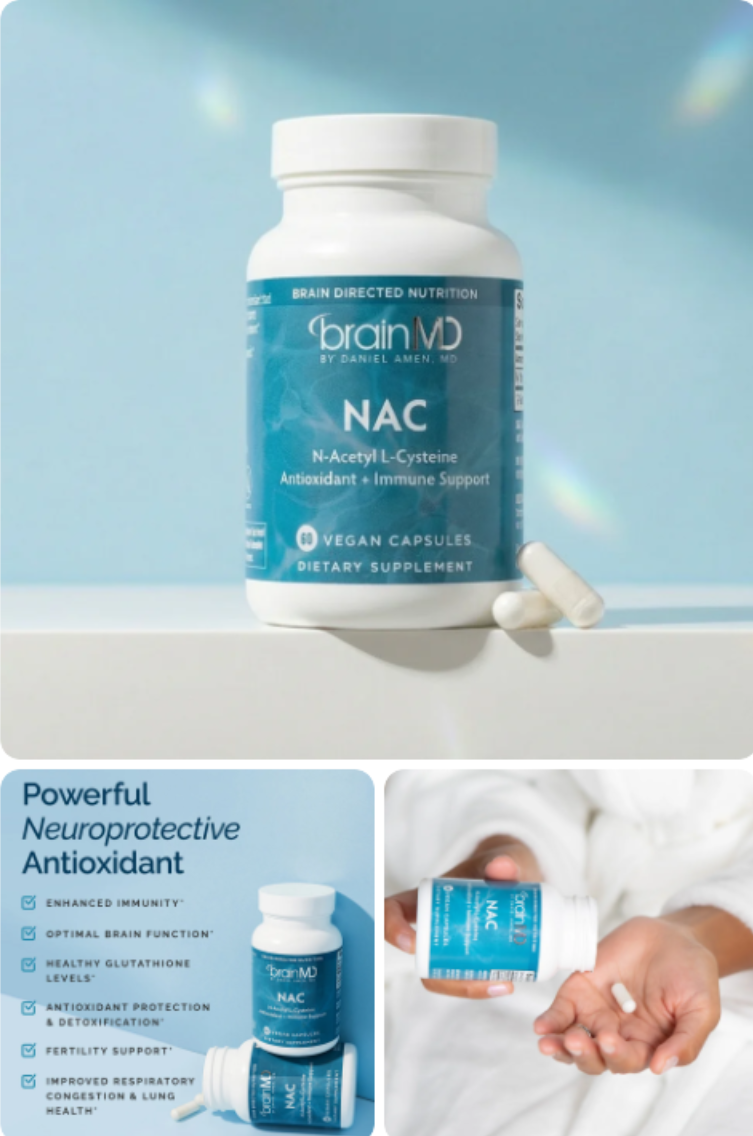
Protect your brain and body at the cellular level with NAC (N-Acetyl L-Cysteine).
This doctor-recommended antioxidant is one of the most powerful tools in functional medicine for defending against premature aging, oxidative stress, and inflammation.
By replenishing glutathione levels, your body’s master detoxifier, NAC helps support long-term brain health, a balanced mood, stronger immunity, detoxification, and sharper focus—even in high-stress situations
✔ Replenishes glutathione, your body’s master detoxifier
✔ Helps protect brain cells from oxidative stress and inflammation
✔ Supports mental clarity, memory, and focus
✔ Promotes a balanced mood and emotional resilience
✔ Doctor-recommended tool for long-term brain health and detox support
✔ Contains powerful mucolytic and antiviral properties to boost immunity and respiratory wellness
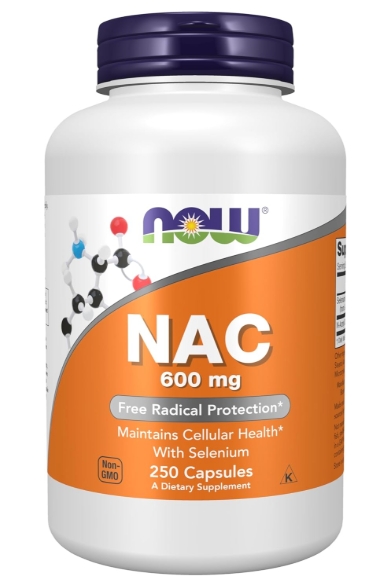
- FREE RADICAL PROTECTION: Take 1 NAC capsule with selenium twice daily for free radical protection and to maintain cellular health
- IMPORTANT NOTE ABOUT THIS PRODUCT: Black spots may appear in NAC because of a normal oxidative reaction, but product is safe to consume. These spots are NOT mold or any other micro-contamination. Micro-testing has been performed to assess product safety
- CERTIFICATIONS/CLASSIFICATIONS: Non-GMO, Made without Gluten, Kosher, Dairy Free, Egg Free, Nut Free, Soy Free,
- GMP Quality Assured: A-rated, third-party certification means that every aspect of the NOW manufacturing process has been examined. Our in-house laboratories are ISO/IEC accredited for laboratory testing including for stability, potency and product formulation.
Conclusion
N-Acetyl Cysteine (NAC) supplements have gained popularity among health enthusiasts for their potential benefits, including antioxidant support and respiratory health.
Many users appreciate its ability to enhance detoxification processes in the body, making it a valuable addition to wellness routines.
While the overall consensus highlights its positive impact, it's essential to consider individual health needs and consult with a healthcare professional before starting any new supplement.
In conclusion, NAC may offer promising benefits, but personalized guidance ensures a safe and effective approach to supplementation.
Final Thoughts on NAC for Mental Health
N-Acetyl Cysteine (NAC) supplements offer numerous benefits that can support mental health, making them a popular choice among health enthusiasts.
By acting as a powerful antioxidant, NAC helps to reduce oxidative stress in the brain, potentially improving mood and cognitive function.
Additionally, it may play a role in regulating neurotransmitters, which can be particularly beneficial for those dealing with anxiety or depression.
In conclusion, incorporating NAC into your wellness routine could provide valuable support for mental health, promoting a greater sense of well-being.
Recommendations for Health Enthusiasts
N-Acetyl Cysteine (NAC) supplements offer a variety of benefits that health enthusiasts should consider.
Known for its powerful antioxidant properties, NAC helps to support detoxification processes in the body and improve overall liver function.
Additionally, it may enhance respiratory health by thinning mucus, making it easier to breathe.
By incorporating NAC into your wellness routine, you can promote better health and bolster your body's natural defenses.